Waterproof Bubble Tent Planning Starts Before the First Night Outdoors
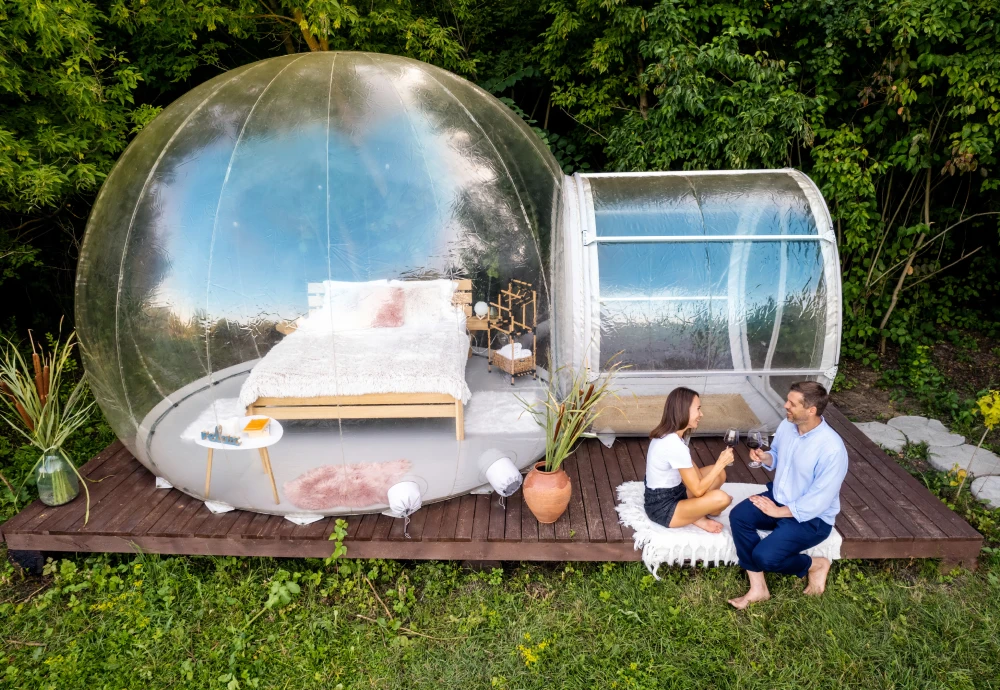
Practical expectations create a stronger foundation than excitement around one feature. Shoppers searching for waterproof bubble tent should prioritize everyday fit over novelty. Shoppers considering inflatable camping tent benefit from defining the main practical need before judging secondary features. The camping use adds another reason to examine how the product fits daily life. Good choices become clearer when placement, use, and upkeep are considered together. This article approaches the product through weather-aware immersive camping, with practical use kept central. A strong decision still depends on site conditions, setup space, and weather planning and realistic user expectations. That perspective connects visible features with habits buyers already understand. Online appeal can fade quickly when the surrounding setup creates avoidable friction. Campers who want a more immersive outdoor shelter often start with fit before comparing a long list of features.
Why Placement Matters With Waterproof Bubble Tent

The surrounding camping site or outdoor retreat should shape placement before style drives the decision. People notice the product first, but they experience the whole setup. Placement can influence comfort, cleaning effort, visibility, and daily convenience. Strong layouts allow normal movement without making the product feel isolated. People comparing starview tent should measure the available area before assuming a product photo reflects real scale. A thoughtful location removes small obstacles from repeated everyday use. That small planning step often prevents larger frustrations after delivery. Flexible placement preserves usefulness when furniture arrangements or habits change. Good context turns an attractive product into a genuinely useful one. Visual balance matters, but functional breathing room often matters more.
The Daily Routine Is the Most Honest Test
Natural setup encourages people to use the product for its intended purpose. The inflatable Starview bubble tent should support regular use without demanding constant rearrangement. Small efficiencies matter because they repeat and shape long-term satisfaction. Fewer interruptions create a calmer experience in shared spaces. Everyday ownership of outdoor dome shelter feels stronger when setup, use, and reset follow an easy sequence. Daily experience turns the product from an idea into a regular habit. Flexible placement or operation helps the product remain useful as routines change. Convenience also includes cleaning, access, storage, and effort surrounding regular use. Products that need perfect conditions can frustrate users during ordinary weeks. Repeated experience often matters more than novelty after the first week.
What the Feature Mix Means for Waterproof Bubble Tent
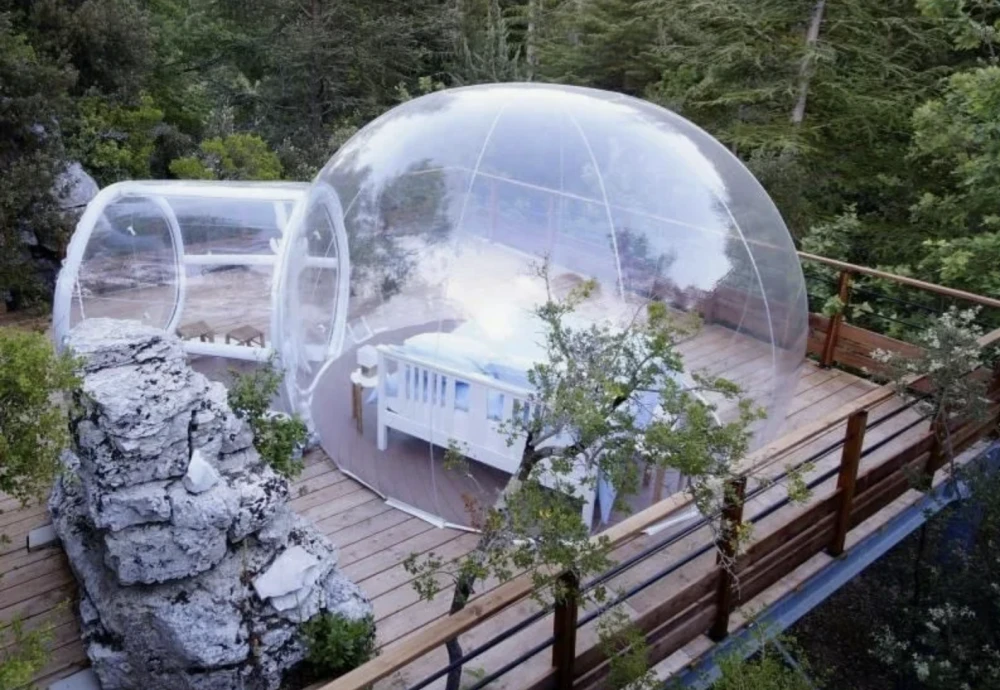
Similar products often differ most in how their features work together. Careful comparison prevents shoppers from overvaluing functions they may rarely use. The details work best as a system rather than isolated selling points. A coherent product uses major features to support the same purpose. The Starview bubble design shapes the product identity instead of acting like filler language. Buyers should ask what each feature actually changes during normal use. Practical buyers translate specifications into questions about time, effort, comfort, and space. That method creates a clearer ownership picture before the product arrives. A closer look at glamping shelter idea can reveal whether the feature mix supports the intended routine or merely sounds impressive. The camping use adds practical context for buyers focused on a sheltered setup with an open visual connection to the surroundings.
Ownership Continues After the First Week
Dry storage, careful packing, and surface checks before setup can support easier use without becoming a separate project. Thoughtful upkeep turns maintenance into a predictable part of ownership. A clean surrounding area makes routine maintenance faster and simpler. People buying inflatable outdoor room can protect convenience by planning where cleaning tools or accessories will live. Ownership continues after setup, and simple care protects the experience. Basic organization keeps the area around the product from becoming cluttered. The ideal upkeep routine stays brief, repeatable, and realistic. Long-term value improves when owners know what truly needs attention. Storage matters because careless placement can create unnecessary wear. Predictable upkeep works best when it joins tasks the owner already performs.
When Waterproof Bubble Tent Matches the Real Need

Unverified expectations should never outweigh features the description clearly states. A focused decision separates essential needs from preferences that merely sound appealing. Buyers should rank site conditions, setup space, and weather planning before comparing minor differences between options. The product should still make sense after the initial excitement fades. Price matters, but poor fit can make any bargain feel expensive. That discipline protects the purchase from promises the source never made. Imagining an ordinary use day can reveal needs more clearly than ideal scenarios. The strongest option solves the main problem without creating new ones. A short must-have list reduces distraction from polished marketing language. Clear priorities make necessary tradeoffs easier to understand and accept.
Putting Waterproof Bubble Tent in Perspective
Clear priorities also prevent one flashy detail from dominating the decision. Planning the setting first can make the product feel integrated immediately. A useful product earns space by supporting real habits, not novelty. A well-matched product can make the surrounding area feel more deliberate. When conditions align, the product becomes part of the space naturally. That reliability often matters more than excitement during the first days. The inflatable Starview bubble tent appeals most to campers who want a more immersive outdoor shelter seeking a sheltered setup with an open visual connection to the surroundings. Practical fit persuades more than hype because usefulness repeats every day. The strongest case appears when function, placement, and upkeep align. A product need not solve everything when it handles one role consistently.










Leave a comment