Is a Cordless Lawn Mower Finally Ready to Replace Gas?
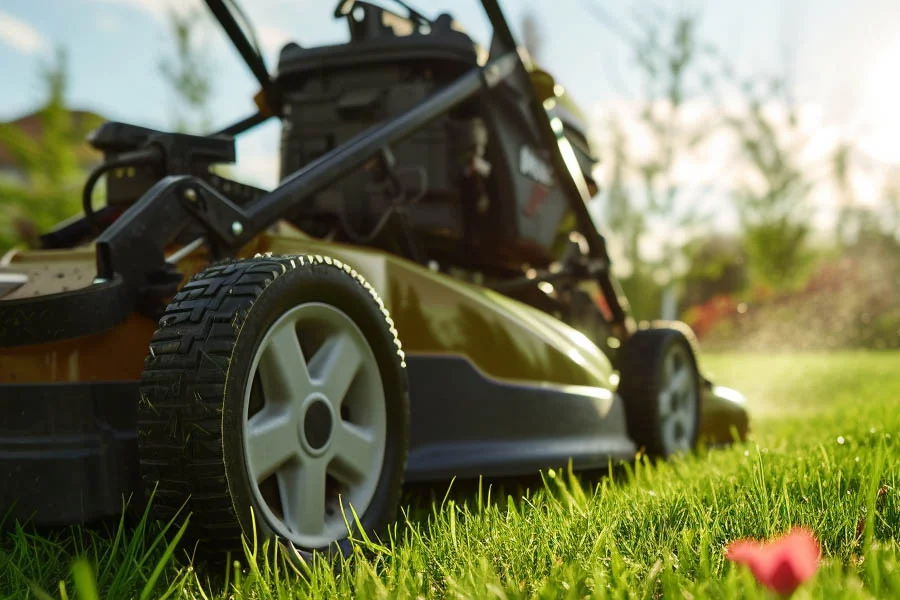
Saturday mornings used to start with a pull cord, a cloud of exhaust, and a neighbor wincing at the noise. Today, a cordless lawn mower can handle the same yard with a push of a button and far less fuss. Battery technology has improved dramatically over the past decade. Higher voltage platforms now power full-size decks that once required gasoline engines. This 21-inch model pairs a 56-volt battery system with self-propelled Touch Drive technology. Select Cut capability adds another layer of control over how your grass looks. For many homeowners, the question has shifted from whether batteries can compete to which features matter most. The answer depends on lawn size, terrain, and how much effort you want to spend. Here is what this machine changes about yard work. You may find the old gas mower heading to the curb sooner than expected.
Why a Cordless Lawn Mower Makes Sense Now
Gas mowers demand oil changes, fresh fuel, spark plugs, and winter storage rituals. A cordless lawn mower eliminates most of that maintenance in one decision. You charge the battery, click it into place, and start mowing within seconds. No fumes drift into your garage or onto your clothes. Noise drops substantially as well, which makes early weekend mowing more neighbor-friendly. Anyone shopping for a quiet lawn mower usually lands on battery models for exactly this reason. Lower vibration also reduces hand fatigue during longer sessions. Startup reliability improves, since nothing needs priming after months in storage. Homeowners in suburbs with noise rules particularly appreciate the difference. The whole experience feels less like a chore and more like a quick task.
What 56 Volts Actually Delivers
Voltage acts as a rough indicator of available power in battery tools. A 56-volt platform sits near the top of consumer options, which helps explain its strong performance. More power keeps the blade spinning steadily when grass grows thick or damp. Weaker machines bog down in those conditions and leave ragged patches behind. Compared with a basic electric lawn mower that trails an extension cord, this design gives you total freedom of movement. You never need to plan routes around a cable or worry about cutting through it. Runtime depends on battery capacity, grass height, and how often you use self-propulsion. Larger yards may benefit from a second battery kept on the charger. Rotating packs lets you finish big lawns without waiting. Check the included battery specifications to match runtime with your property.
Self-Propelled Touch Drive in Practice
Pushing a mower uphill on a humid afternoon tests anyone’s patience. Self-propulsion solves that problem by driving the wheels for you. Touch Drive technology lets you adjust speed through the handle as you walk. Slow down around flower beds, then pick up the pace on open stretches. That responsiveness feels intuitive after just one or two passes. A good self propelled lawn mower should match your natural walking rhythm, not force you to chase it. Sloped yards benefit most, since gravity no longer works against you. Older homeowners and anyone with back concerns often notice the biggest improvement. The feature also reduces fatigue on larger properties where mowing stretches past an hour. In practice, you simply guide the machine while it handles the heavy lifting.
Cutting Quality From a Cordless Lawn Mower
A 21-inch deck covers a wide path, which means fewer passes across the yard. Select Cut technology gives you more control over the finish your lawn receives. Strong voltage helps a cordless lawn mower deliver a clean, even cut comparable to traditional machines. Height adjustments let you lower the deck in spring and raise it during summer heat. Taller grass shades its own roots and resists drought more effectively. Mulching returns fine clippings to the soil as natural fertilizer, while bagging suits leaf season. Sharp blades remain essential regardless of the power source. Inspect the blade each season and sharpen it when edges look dull. Clean cuts help grass heal quickly and stay green. Torn blades of grass, by contrast, brown at the tips and invite disease.
Living With a Cordless Lawn Mower Season to Season
Ownership costs shift once you leave gasoline behind. A cordless lawn mower trades fuel purchases for a modest bump in your electricity bill. Store the battery indoors during winter, ideally at a partial charge in a cool, dry spot. Extreme heat and freezing temperatures both shorten battery lifespan over time. Wipe grass buildup from the deck after each use to protect the finish. Owners who invest in one battery powered lawn mower often expand into trimmers and blowers that share the same packs. That shared ecosystem stretches the value of every battery you buy. Spark plugs, air filters, and fuel stabilizer disappear from your shopping list entirely. Repair visits become rare because electric motors have fewer moving parts. Over several seasons, these small conveniences add up to real savings in time and money.
Choosing Your Next Cordless Lawn Mower
The right machine depends on your yard, your schedule, and your tolerance for maintenance. Medium and large suburban lawns suit a 21-inch deck with self-propulsion particularly well. Hilly terrain makes Touch Drive even more valuable, while flat lots still benefit from reduced effort. Consider how many batteries you need before mowing day arrives. Compare warranty coverage on both the mower and the battery itself. Read the full specifications to confirm runtime, charging time, and cutting height ranges. A cordless lawn mower built on 56-volt power gives you a genuine alternative to gas. Quieter mornings, cleaner air, and fewer repair bills make the case convincing. Review the product details and see how it fits your property. Your next Saturday could start with a button instead of a pull cord.













Leave a comment