Build the Ultimate Entertainment Setup with Projector and Surround Sound

Searching for projector and surround sound starts with questions about fit, performance, and value. The right choice should support large-format home entertainment without complicating your routine. Scale, controls, materials, and ownership tasks influence satisfaction after the first week. A careful comparison protects your budget from attractive features with limited daily usefulness. Shoppers exploring 4K home projector should define priorities before reading specifications. Clear priorities make home theater setup easier to compare across designs and prices. This guide explains how the 4K home theater projector category can serve practical needs. The Ultra HD 4K Beam Projector for Home Theater may also belong on a researched shortlist. Strong decisions balance visual appeal, compatibility, and work required after delivery. That balance creates a purchase that feels useful, intentional, and rewarding over time.
How Projector and Surround Sound Fits Everyday Needs
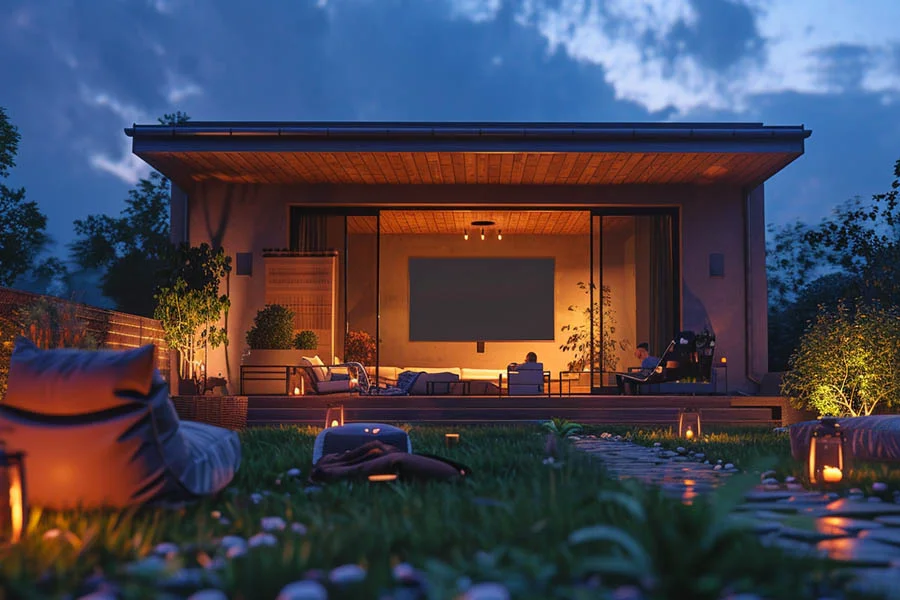
Usage frequency should guide the entire comparison, including controls, storage, and upkeep. Start by describing a normal day rather than an ideal demonstration shown online. Ask where large screen viewing would save time, improve comfort, or simplify a repeated task. Check whether smart projector system remains helpful when schedules become rushed or unpredictable. A convenient product should work within existing habits instead of requiring constant reorganization. Simple operation often matters more than advanced settings that rarely leave the default mode. However, frequent enthusiasts may benefit from deeper control and adjustable performance. Consider who will use the item and whether every user can operate it safely. The best routine includes realistic preparation, use, cleaning, and storage. When those steps feel manageable, the product has a stronger chance of staying useful.
Choosing Projector and Surround Sound for Your Space
Spatial fit includes more than width and height, especially for products used actively. Review throw distance, wall size, seating position, light control, and audio layout while standing in the intended location within the media room, living room, or flexible viewing space. Use that perspective to judge projector audio pairing against furniture, pathways, and sightlines. Then consider how cinema room equipment will appear under the room’s normal lighting. Leave enough access for controls, cleaning, refilling, folding, moving, or routine inspection. A product can technically fit while still making the surrounding area feel inconvenient. Mockups made with tape, boxes, or furniture blankets reveal scale more accurately than imagination. Consider seasonal changes if the item moves between indoor storage and outdoor use. Delivery routes should be checked before ordering anything large, heavy, or unusually shaped. A precise placement plan protects both usability and the finished look of the room.
Features That Deserve Attention

Important features should connect directly to comfort, control, reliability, or maintenance. The central design includes Ultra HD 4K projection and smart viewing capability. Evaluate how those details support streaming projector during realistic use. Controls should feel understandable, reachable, and appropriate for everyone expected to operate the product. Materials should suit the environment, especially where moisture, heat, dust, pets, or frequent contact matter. Construction quality often becomes clearer through joints, moving parts, finishes, and serviceable components. Consider whether replacement items or routine supplies appear straightforward to source. The Ultra HD 4K Beam Projector for Home Theater offers one specific feature combination. A shorter feature list can outperform a complicated one when every function serves a purpose. Prioritize details that improve repeated use instead of those designed mainly for advertising.
Comparing Projector and Surround Sound Options Clearly
Avoid switching standards while comparing products, because that favors whichever option appears last. Choose five essential criteria and several secondary preferences before opening another product page. Review projection screen planning through those fixed priorities rather than through promotional emphasis. Include ownership costs such as supplies, replacement parts, energy, cleaning tools, or protective storage. A low initial price is less attractive when usability problems create repeated annoyance. Higher pricing deserves equally careful scrutiny because premium materials do not guarantee better compatibility. Record missing details and seek clarification before allowing assumptions to shape the decision. Customer reviews are most helpful when they describe conditions similar to your own. Return windows, warranties, and delivery methods can become deciding factors between closely matched options. The goal is not a perfect product, but the clearest balance of strengths and compromises.
Ownership, Care, and Long-Term Value
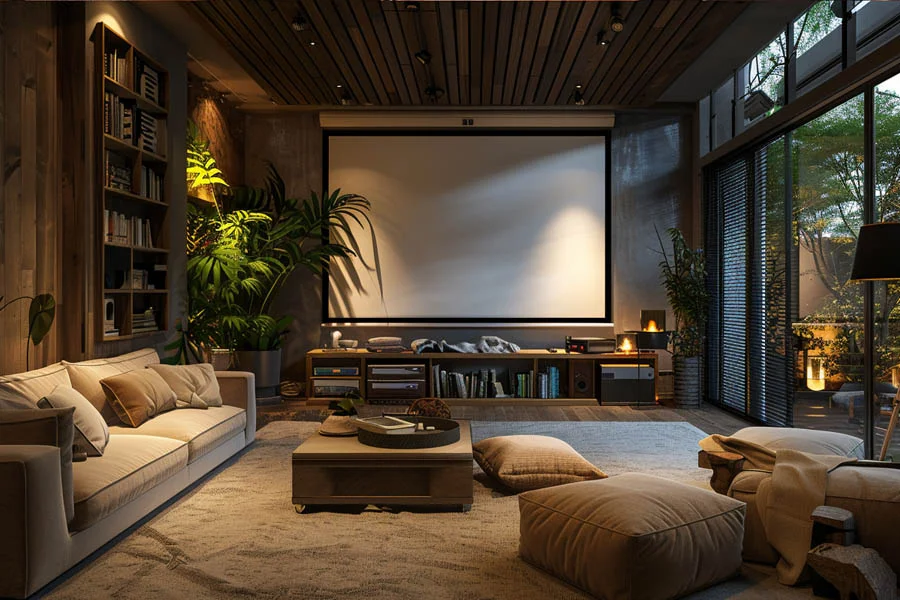
Ownership quality depends heavily on the care routine you can sustain. For this product type, plan for lens cleaning, ventilation checks, and protected storage from the beginning. Regular attention helps surround sound setup remain presentable and dependable through repeated use. Cleaning instructions should match the materials, finishes, electrical components, and moving parts involved. Set reminders for tasks that occur monthly, seasonally, or after a specific number of uses. Keep manuals, spare components, and purchase records together where they remain easy to find. Protected storage reduces accidental damage when the item travels or rests between seasons. Long-term value also includes time saved, frustration reduced, and enjoyment added to ordinary routines. A product becomes expensive when maintenance demands exceed the benefit it brings. Choose an ownership pattern that feels realistic for your schedule and household.
Making Projector and Surround Sound Work at Home
A final review should focus on the reasons the product earned its place on the shortlist. Check that those reasons reflect daily needs rather than temporary excitement. Use home movie experience to reconsider scale, care, comfort, and expected frequency. Evaluate the Ultra HD 4K Beam Projector for Home Theater with the same questions applied to every alternative. Visualize delivery day, setup, ordinary operation, cleanup, and eventual storage. If any step appears inconvenient, decide whether the benefit genuinely justifies that compromise. Strong purchases rarely depend on one dramatic feature or promotional promise. They result from compatibility across space, routine, controls, upkeep, and budget. That alignment makes a cinematic image that can adapt to different rooms more likely to remain valuable over time.













Leave a comment