Big Clear Bubble Tent Makes the Landscape Part of the Room

The appeal begins with a sheltered setup with an open visual connection to the surroundings, but the surrounding routine still shapes value. Shoppers searching for big clear bubble tent should prioritize everyday fit over novelty. It also helps separate meaningful advantages from details that may rarely matter. That perspective connects visible features with habits buyers already understand. The best comparison starts with life around the product, not the product alone. This article approaches the product through panoramic shelter and glamping atmosphere, with practical use kept central. Good choices become clearer when placement, use, and upkeep are considered together. Online appeal can fade quickly when the surrounding setup creates avoidable friction. The product also belongs naturally beside clear camping shelter, especially when the goal is practical everyday use. Campers who want a more immersive outdoor shelter often start with fit before comparing a long list of features.
Where Big Clear Bubble Tent Fits Into the Room and Routine

That small planning step often prevents larger frustrations after delivery. Strong layouts allow normal movement without making the product feel isolated. People notice the product first, but they experience the whole setup. Visual balance matters, but functional breathing room often matters more. A balanced setup lets the inflatable Starview bubble tent feel deliberate rather than squeezed. Simple tape measurements can reveal conflicts that polished photos never show. A thoughtful zone for bubble camping setup can make the surrounding setup feel calmer and more intentional. A thoughtful location removes small obstacles from repeated everyday use. Traffic paths and nearby furniture deserve attention in any shared space. The surrounding camping site or outdoor retreat should shape placement before style drives the decision.
The Best Feature Is the One You Will Actually Use
Some features improve convenience, while others mainly affect style or capacity. Careful comparison prevents shoppers from overvaluing functions they may rarely use. The camping use shapes the product identity instead of acting like filler language. That method creates a clearer ownership picture before the product arrives. Useful features should feel understandable without requiring constant workarounds. Feature lists matter only when each detail connects to a real task. Specifications narrow choices, but they cannot replace thinking about daily habits. For transparent camping tent, practical interaction between features usually matters more than one isolated specification. The Starview bubble design adds practical context for buyers focused on a sheltered setup with an open visual connection to the surroundings. A coherent product uses major features to support the same purpose.
Everyday Use Reveals the Real Value

Daily experience turns the product from an idea into a regular habit. The inflatable Starview bubble tent should support regular use without demanding constant rearrangement. Fewer interruptions create a calmer experience in shared spaces. Users may discover new uses, but the core routine should stay simple. A smooth experience removes small frictions from an already busy day. Practical ownership succeeds when the product quietly supports the day. Early use reveals whether placement, access, and interaction feel intuitive. Repeated experience often matters more than novelty after the first week. Flexible placement or operation helps the product remain useful as routines change. Everyday ownership of panoramic camping tent feels stronger when setup, use, and reset follow an easy sequence.
Caring for Big Clear Bubble Tent Without Adding Complexity
A clean surrounding area makes routine maintenance faster and simpler. Dry storage, careful packing, and surface checks before setup can support easier use without becoming a separate project. Basic organization keeps the area around the product from becoming cluttered. Storage matters because careless placement can create unnecessary wear. Shoppers often underestimate upkeep, yet maintenance strongly affects satisfaction. Accessible care points can make ownership feel easier over time. The ideal upkeep routine stays brief, repeatable, and realistic. Manufacturer instructions matter whenever heat, moisture, electricity, or moving parts appear. Regular visual checks can catch small issues before they interrupt use. A manageable care routine helps camping bubble dome stay useful without adding unnecessary household work.
What to Consider Before Choosing Big Clear Bubble Tent
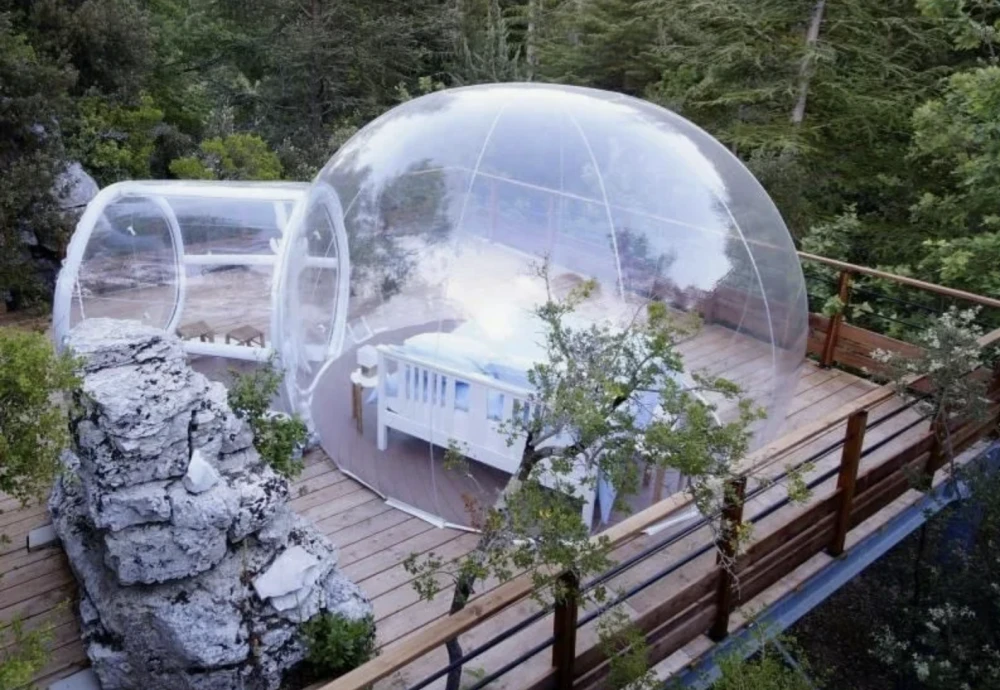
That discipline protects the purchase from promises the source never made. The strongest option solves the main problem without creating new ones. Shoppers should consider who will use the product most often and where. Unverified expectations should never outweigh features the description clearly states. Price matters, but poor fit can make any bargain feel expensive. The product should still make sense after the initial excitement fades. Buyers should rank site conditions, setup space, and weather planning before comparing minor differences between options. A focused decision separates essential needs from preferences that merely sound appealing. Imagining an ordinary use day can reveal needs more clearly than ideal scenarios. A sensible choice also allows for maintenance, storage, and supporting accessories.
The Strongest Case for Big Clear Bubble Tent Is Everyday Fit
A useful product earns space by supporting real habits, not novelty. The inflatable Starview bubble tent appeals most to campers who want a more immersive outdoor shelter seeking a sheltered setup with an open visual connection to the surroundings. A well-matched product can make the surrounding area feel more deliberate. Practical fit persuades more than hype because usefulness repeats every day. Listed features provide context, while routine determines their real importance. A product need not solve everything when it handles one role consistently. That outcome matters whenever equipment competes for space, attention, or maintenance time. That reliability often matters more than excitement during the first days. The final decision should feel calm, specific, and connected to regular use. Good ownership looks quiet because the product works without constant attention.











Leave a comment